AI:OK Academy
The AI Sanctuary
AI, HUMAN DIGNITY AND THE DEFENSE OF LIFE
Ethical Frameworks for the Digital Age
AI is shaping how we care, how we teach, how we remember, and how we decide.
Artificial intelligence is no longer a distant possibility - it is already present in medicine, research, education, communication, and cultural heritage. Magnifica Humanitas describes it as “interwoven into the fabric of daily life,” and warns that “never has humanity had such power over itself.”
The question is no longer whether to accept or reject these technologies, but how institutions can build the literacy and the discernment to use them in service of human dignity rather than at its expense.
The Programme
AI Briefing
A non-technical session, online or in Rome, for academy members, bishops, religious leaders, and institutional decision-makers. Presents the current state of AI in plain language and introduces a simple four-step discernment framework - awareness, analysis, reflection, action - adapted to the priorities of the institution it serves.

Digital Learning Portal
A self-paced online programme built on AI:OK Academy’s Artistic Intelligence platform. Structured lessons across Systems, Tools, Governance, and Judgement, with checkpoint questions and certificates. Localisable into 70+ languages - accessible to bishops, clergy, religious, seminarians, educators, and lay leaders worldwide. Learner tracking and reporting for dioceses and religious institutes.

Institutional Partnership
For dioceses, religious orders, universities, seminaries, healthcare networks, and faith-aligned institutions. We co-design the focus - cultural heritage, healthcare, education, communications, youth formation - to the priorities you already carry. The programme can be delivered under your branding, embedded in formation programmes, or used as a foundation for working documents and expert convenings.
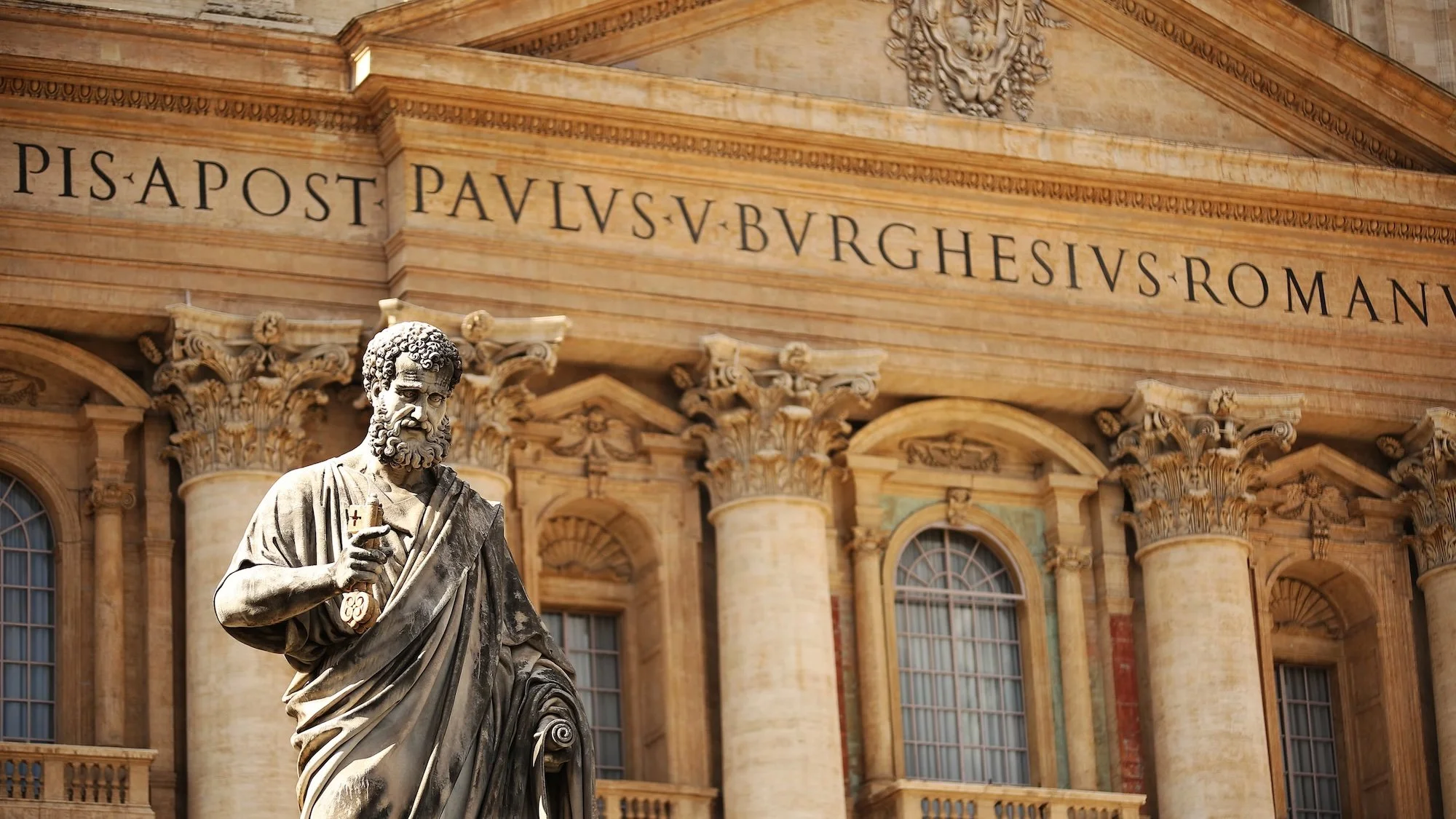
Our programme does not tell institutions what to think. It gives them the structure to think clearly.
Most AI programmes begin with the technology. We begin with the institutional reality. Our work is in AI ethics - the discipline of understanding what these systems do, who designs and finances them, what choices they press on us, and how those choices touch the dignity of the person.
The framework is grounded in Pope Leo XIV's Magnifica Humanitas, the EU Charter of Fundamental Rights, and the wider social ethics tradition that the encyclical itself draws upon. It is non-confessional in approach, compatible with Catholic social teaching, and accessible to any institution where the human person is the measure of progress. We are interested in the same question every serious institution is now asking: where does this technology serve the human person, and where does it diminish them?

Four pillars
01. Systems
What AI actually is, beneath the headlines.
AI is not one thing. It is a family of systems - language models, recognition tools, recommendation engines, autonomous agents - each built differently, each with different limits and different risks. Systems give you the working vocabulary to see clearly: what these systems are, how they are trained, where they are already embedded in institutional decision-making, and where the human is still in the loop. Without this, every other conversation about AI is built on sand.
A typical question this pillar answers: When a hospital says it is "using AI" in diagnosis, what is actually happening, and where is the human judgement?
02. Tools
What current AI tools can and cannot do.
The gap between what AI is claimed to do and what it actually does is wide - and changes weekly. Tools is a working map of the current landscape: the capabilities and the failures, the genuine breakthroughs and the over-promises, across medicine, education, communication, heritage, and care. It is not a product review. It is the literacy to evaluate a tool when one is placed in front of you, and to ask the right questions of those who built it.
A typical question this pillar answers: A vendor is offering us an AI translation tool for our liturgy. What should we ask before we say yes?
03. Governance
Who decides, who pays, who is accountable.
AI systems do not appear from nowhere. They are designed by specific people, financed by specific actors, regulated by specific frameworks, and deployed by specific institutions. Governance traces the chain: from the lab to the boardroom to the institution that adopts the tool, and asks the question every institution eventually has to answer - where does our responsibility begin and end? It includes the EU AI Act, the Rome Call for AI Ethics, national regulatory frameworks, and the internal governance every institution needs to build for itself.
A typical question this pillar answers: If our institution adopts an AI system and it causes harm, who is responsible - the vendor, the regulator, or us?
04. Judgement
When AI serves the human person, and when it diminishes them.
Literacy is not the goal. Judgement is. The first three pillars give you the language and the map. Judgement is what you do with them - the discernment to recognise, in a particular decision, whether a particular use of AI serves the human person before you or quietly works against them. The four-step framework - awareness, analysis, reflection, action - is what we build this discernment around. It is not a checklist. It is a way of seeing.
A typical question this pillar answers: We can use AI to do this work faster and more cheaply. Should we?
Built for the institution, not just the individual.
The programme is designed to be deployed across institutional contexts - a diocese, a religious order, a seminary, a university, a healthcare network, an academic body. Learner reporting, modular pathways, and content adapted to the institutional setting allow leadership to see who has been formed and how. Where helpful, we support follow-up work: a working document, an expert convening, or a dedicated module for a particular community.
-
Anchored in Pope Leo XIV’s first encyclical — the first papal text dedicated to AI and the dignity of the human person.
-
Localisable for bishops, religious, and educators worldwide via AI:OK Academy’s translation infrastructure.
-
Systems, Tools, Governance, Judgement — paired with a discernment framework of awareness, analysis, reflection, action.
-
Built for any institution where the human person is the measure — and for the leaders, teachers, and formators within them.
Who is leading this
-
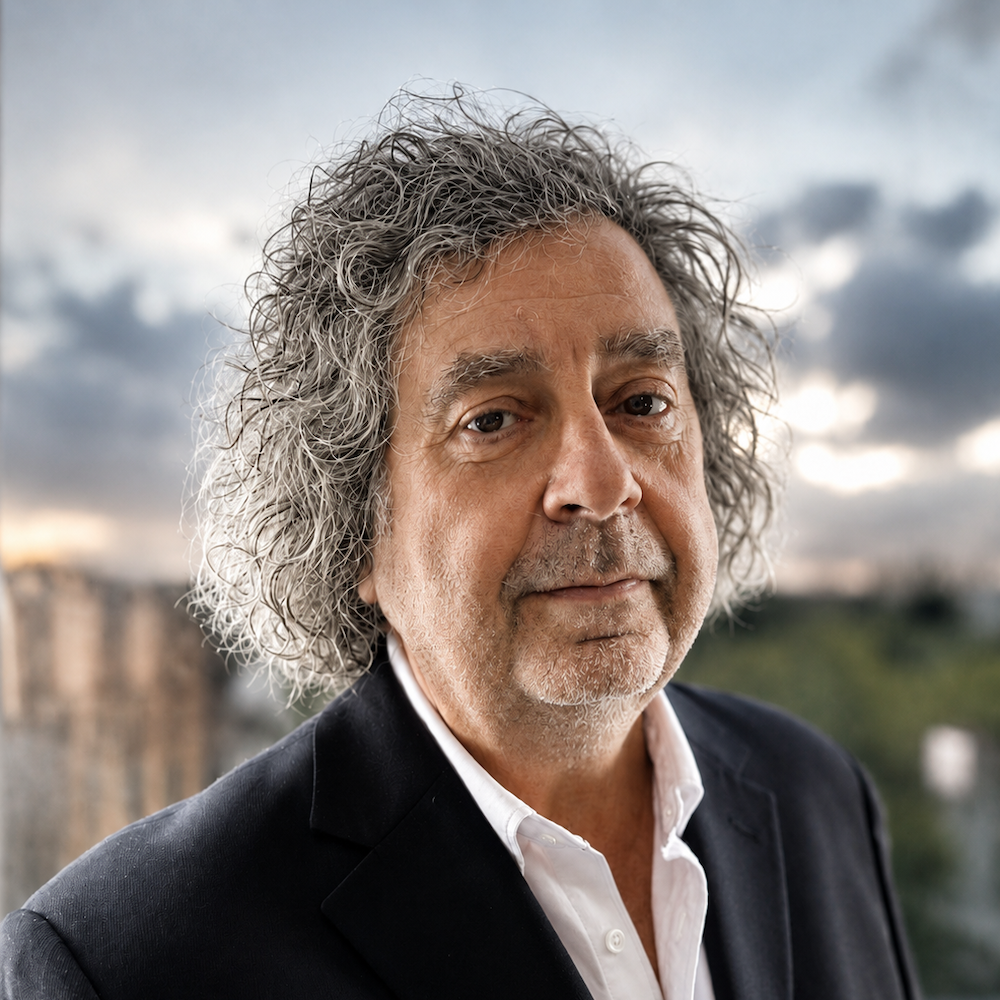
Dr. Martin Clancy
AI Ethics Expert, AI:OK Academy
Policy Fellow at Trinity College Dublin’s Long Room Hub Arts & Humanities Research Institute. Senior AI Research Fellow at the Insight SFI Research Centre, Dublin City University. Founding Chair of the IEEE Global AI Ethics Arts Committee. Author of Sound Judgement program and Music Ecosystem book (Routledge, 2023; 2nd ed. 2026).
-
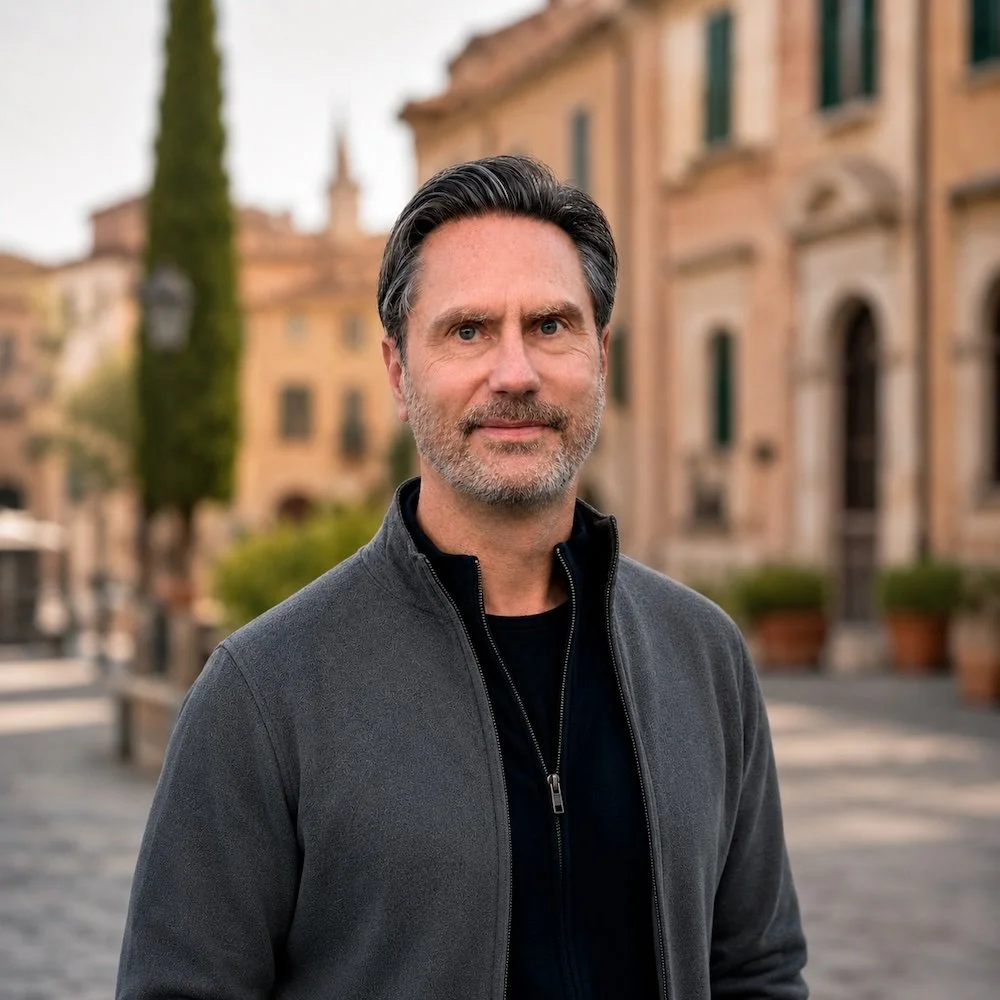
Michael Davitt
Governance & Partnerships, The AI Sanctuary
A career across the European Parliament, Ireland’s diplomatic service, and over twelve years at the OSCE’s Conflict Prevention Centre in Vienna. Specialist in AI governance and EU regulatory compliance, with AI ethics training at the University of Oxford.
-
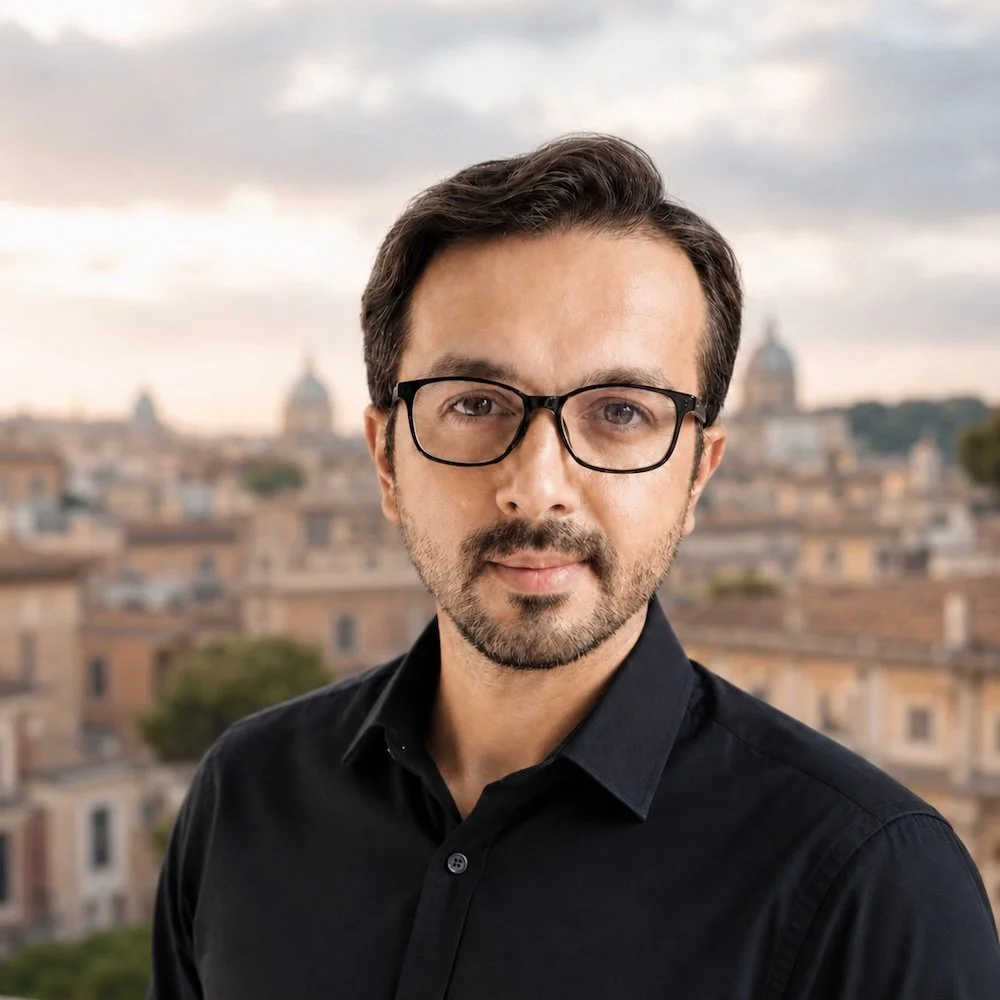
Antony Matsepa
Founder, The AI Sanctuary & Music Archaeology
Researcher in social ecology and techno-anthropology. Founder of Europe’s first AI-native museum and living lab. Leads the Music Archaeology Project - applying psychoacoustic AI and bio-archaeological modelling to the reconstruction of lost soundscapes from human history.
"Never has humanity had such power over itself."
Pope Leo XIV
Let’s begin the conversation.
Whether you represent an academy, a diocese, a religious order, a university, a seminary, or another institution navigating AI, we would be glad to discuss what would serve your community best. Reach out or write to us directly.
AI, Human Dignity & the Defense of Life
A joint initiative of AI:OK Academy and The AI Sanctuary
Dublin, Ireland · info@aiok.academy · © 2026