Intro: Artistic Intelligence
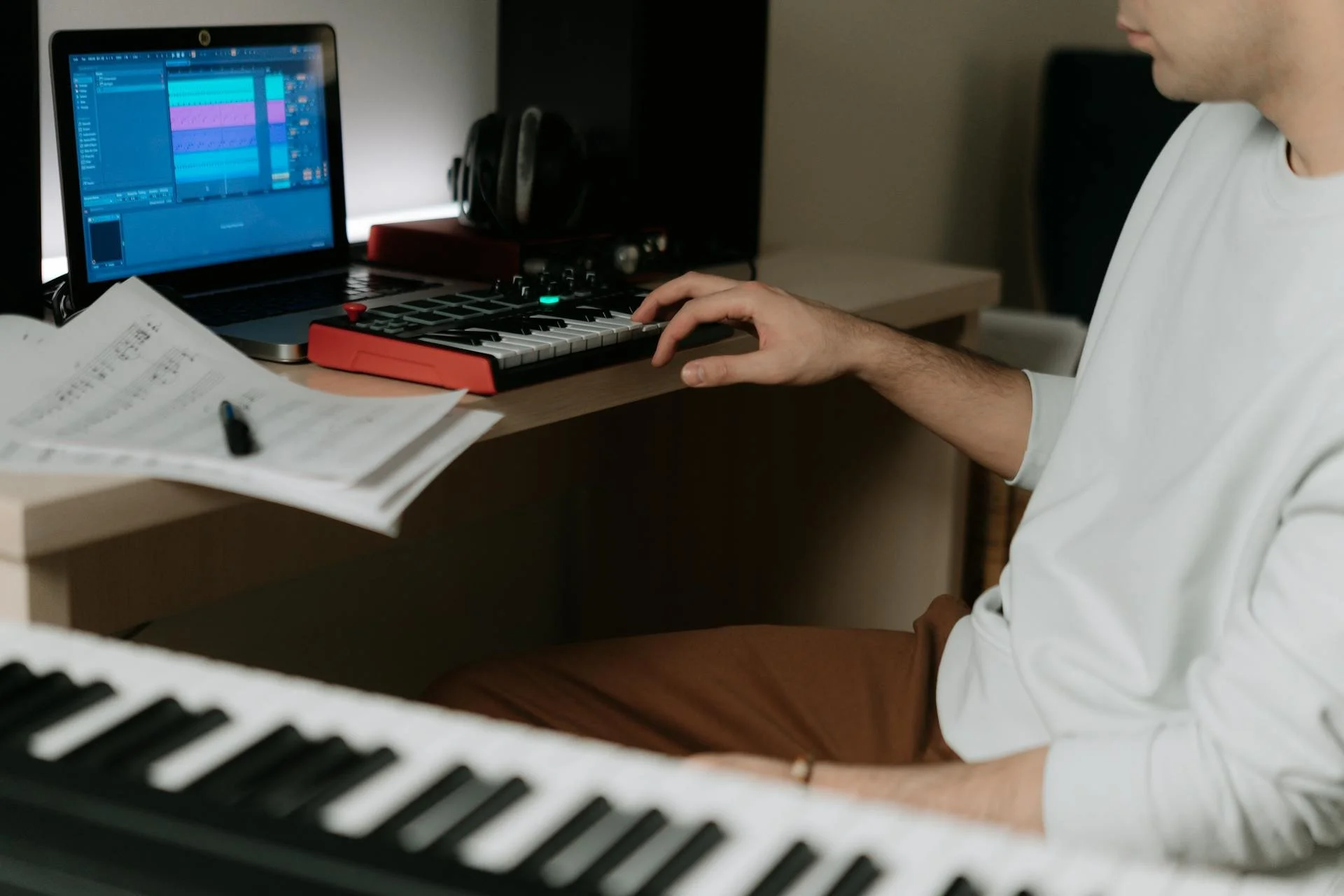
This is not a technology course. It is a way of seeing - a structured framework for understanding how artificial intelligence is reshaping the music industry and the creative industries that follow it.
Before you begin the programme, this lesson explains what Artistic Intelligence is, how it works, and what it asks of you.
The AI landscape changes every few months. A new tool launches. A regulation shifts. A court ruling lands. A company folds or pivots. If this programme were a collection of facts about specific tools and laws, it would be out of date before you finished it.
Artistic Intelligence is built differently. It teaches a framework — a way of analysing any development in AI and music by asking four connected questions: how does the system work, what is the tool doing to it, who is governing it, and what is your position? Those questions do not expire. The specific examples will change. The way of seeing will not.

Why Music
Almost everyone has a relationship with music. You do not need to play an instrument or understand how royalties work. You already have a view — what moves you, what does not, what matters. That universality makes music the most accessible starting point for understanding a change that is coming to every creative industry.
And there is a practical reason. Music is where disruption lands first. The collapse of physical formats, the rise of streaming, the power of the algorithm — each of these appeared in music before reaching film, publishing, photography, and journalism. The same is happening now with generative AI. What you see in music today, you will see everywhere else tomorrow.
How the Programme Works
Artistic Intelligence is thirty-three short films across four connected sections: Systems, Tools, Governance, and Judgement. Each film is spoken to camera by Dr. Martin Clancy — not a lecture, not a slide deck, but a single idea explored clearly in plain language.
After each film, three checkpoint questions appear. The first tests understanding — did the core idea land? The second tests application — can you use it in a real situation? The third tests judgement — what would you actually decide? All three must be answered correctly to unlock the next lesson. Feedback is shown on every incorrect answer. Retakes are unlimited.
The programme is sequential. You cannot skip ahead. This is deliberate — later ideas depend on earlier ones. Work at your own pace, pick up where you left off, and earn a certificate when you complete all four sections.
What This Asks of You
This programme asks more than attention. It asks for your thinking. The first two tiers of every quiz — understanding and application — have clear correct answers. The third tier — judgement — often does not. There are stronger and weaker positions, but the point is not to guess what the programme wants you to say. The point is to form a position you can defend.
By the end, you will not just know more about AI and music. You will have a way of seeing that applies to any new development, any new tool, any new policy — long after the specific examples in this programme have been overtaken by events.
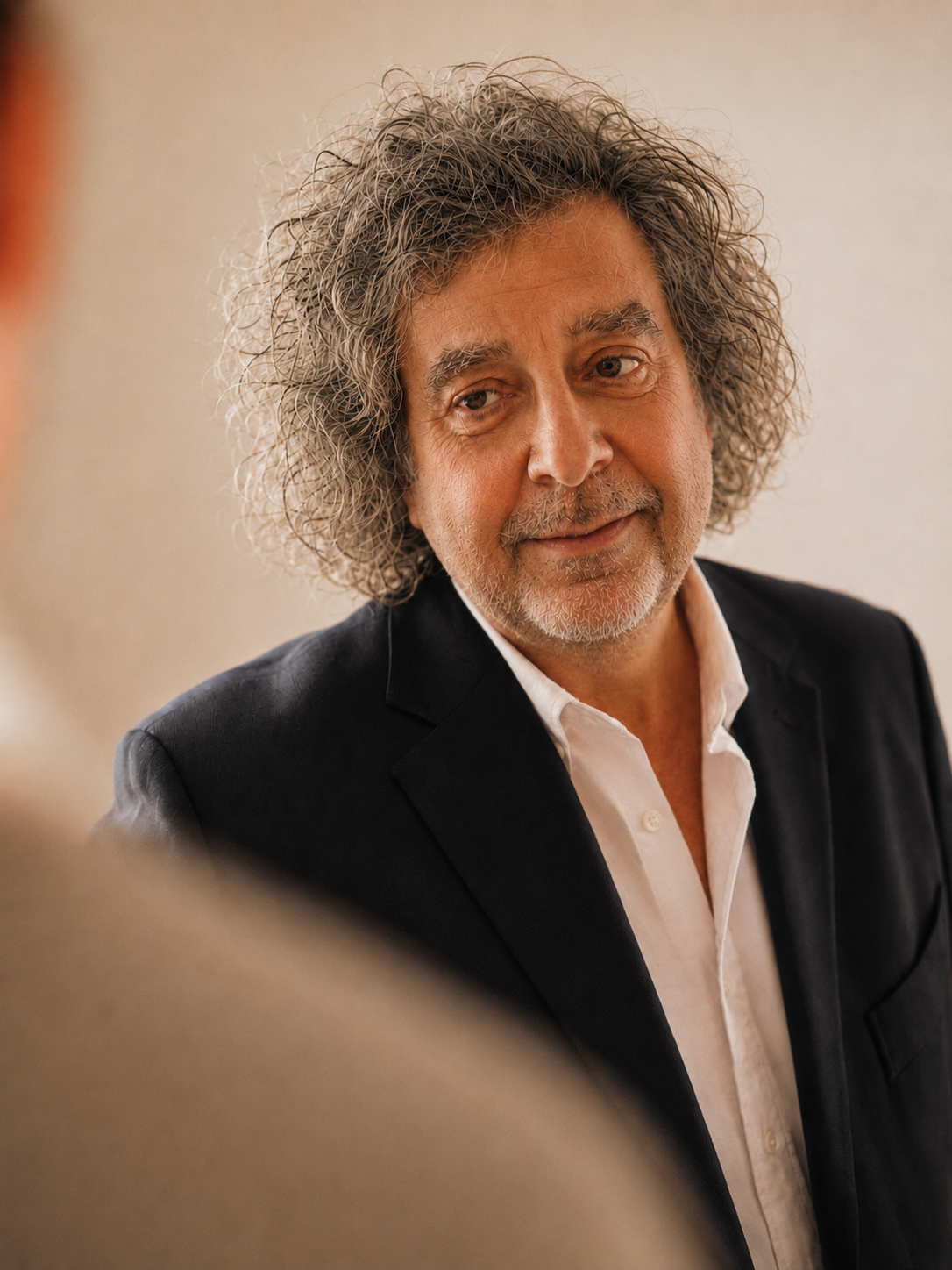
Who Created This
Artistic Intelligence was created by Dr. Martin Clancy, co-founder of AI:OK, author of Artificial Intelligence and the Music Ecosystem (Routledge, second edition 2026), Senior AI Research Fellow at Insight/DCU, and founding Chair of the IEEE Global AI Ethics Arts Committee. The programme draws on two decades of work across the music industry and is part of the wider AI:OK governance ecosystem — the trustmark and certification system for music AI.